

Introduction: The Beginning of the AI Memory Revolution
Artificial Intelligence is entering a new phase. Early AI assistants were designed to answer questions, generate content, and perform simple tasks. They could provide information, write emails, summarize documents, and help with productivity. However, they often lacked one important human-like ability: memory.
The next generation of AI assistants will not simply respond to commands. They will remember your preferences, understand your habits, learn from your experiences, and build a deeper understanding of your digital life.
This emerging era is known as the AI Memory Era — a future where AI systems become long-term personal companions capable of understanding who you are, what you need, and how you work.
Imagine an AI assistant that remembers your career goals, understands your communication style, knows your favorite learning methods, tracks your projects, and helps you make decisions based on years of accumulated knowledge.
The future of AI is moving from “smart tools” to “personal intelligence partners.”
1. What Is Long-Term AI Memory?
Traditional AI systems operate with limited context. They can process information during a conversation but often forget details once the interaction ends.
Long-term AI memory changes this model.
Instead of starting from zero every time, future AI assistants will maintain a personalized knowledge base about users. This memory could include:
- Personal preferences
- Work patterns
- Learning styles
- Important projects
- Frequently used information
- Communication habits
- Goals and priorities
For example, a student using an AI assistant for several years may have an AI that remembers:
- Which subjects they struggle with
- Their preferred study methods
- Previous exam preparation plans
- Their academic goals
- Their progress over time
Instead of giving generic advice, the AI can provide highly personalized guidance.
This is similar to having a human mentor who has known you for years.
2. From Chatbots to Personal AI Companions


Today’s chatbots are mainly reactive. They wait for instructions.
Future AI assistants will become proactive.
They may:
- Remind you about important tasks
- Suggest better decisions
- Organize your schedule automatically
- Prepare information before meetings
- Recommend learning resources
- Detect problems before they occur
For example:
A traditional assistant:
User: “Help me prepare for my exam.”
AI:
“Here is a study plan.”
A memory-based AI:
“I remember you are preparing for a mathematics exam, you usually study better in the morning, and your previous tests showed difficulty with probability. I have adjusted your weekly plan to focus more on that area.”
The difference is personalization.
Future AI will not only know information — it will understand context.
3. How AI Will Understand Your Digital Life
Modern people create enormous amounts of digital information every day:
- Emails
- Documents
- Photos
- Messages
- Calendar events
- Browsing habits
- Work files
- Online learning activities
Future AI systems may connect these digital experiences into a unified personal knowledge system.
For example, your AI assistant could understand:
Your Professional Life
It may remember:
- Your current projects
- Your workplace responsibilities
- Important deadlines
- Your professional goals
It could help write reports, prepare presentations, or analyze business decisions.
Your Learning Journey
AI could track:
- Courses you completed
- Topics you studied
- Areas where you need improvement
A student could receive customized lessons based on years of learning history.
Your Personal Preferences
AI may learn:
- Your preferred writing style
- Your favorite communication tone
- Your daily routines
Over time, interactions become faster and more natural.
4. The Technology Behind AI Memory
AI memory is powered by several emerging technologies.
Advanced Language Models
Large AI models provide the reasoning ability needed to understand complex conversations and human intentions.
These models can analyze:
- Language patterns
- Emotional context
- User goals
- Complex information
Vector Databases
AI systems use specialized databases to store and retrieve meaningful information.
Instead of storing information like traditional files, they organize knowledge based on relationships and meaning.
This allows AI to quickly find relevant memories.
Personal Knowledge Graphs
Future AI may create a digital map of your life.
A knowledge graph could connect:
- People
- Places
- Projects
- Interests
- Events
- Information
For example:
“Your AI knows that your colleague Sarah works on the marketing project you discussed last month.”
This creates deeper understanding.
5. Benefits of AI With Long-Term Memory
1. Extreme Personalization
AI assistants will become customized for each person.
A doctor, student, entrepreneur, and researcher will each have completely different AI experiences.
The same AI technology could become a unique personal intelligence system.
2. Better Productivity
AI memory can eliminate repetitive explanations.
Instead of saying:
“Here are my preferences again…”
Your AI already knows.
It can automatically:
- Format documents correctly
- Organize tasks
- Prepare reports
- Manage information
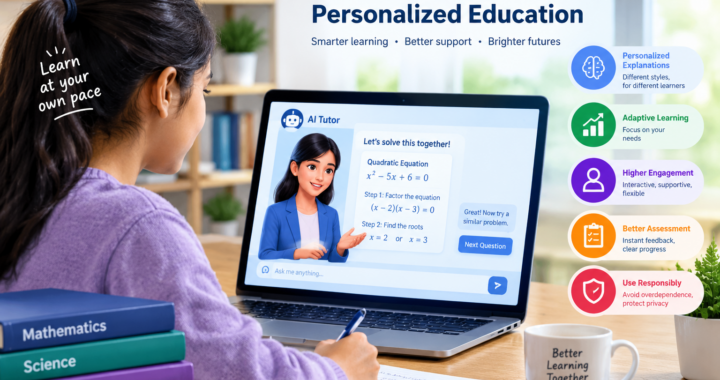
3. Improved Learning
Education could become highly personalized.
A future AI tutor could understand:
- Your strengths
- Your weaknesses
- Your learning speed
It could create lessons specifically designed for you.
4. Smarter Decision Making
AI assistants may analyze years of information to provide recommendations.
For example:
“You usually prefer affordable travel options, avoid crowded places, and enjoy historical locations. Here are destinations matching your preferences.”
AI becomes a decision-support partner.
6. Challenges and Privacy Concerns
While AI memory offers enormous possibilities, it also creates serious challenges.
Data Privacy
If AI understands your entire digital life, protecting personal information becomes critical.
Questions arise:
- Who controls AI memories?
- Where is personal data stored?
- Can users delete memories permanently?
- How can misuse be prevented?
Future AI systems will need strong privacy protections.
Digital Identity Risks
A powerful AI assistant may know more about a person than many humans do.
This creates concerns about:
- Unauthorized access
- Data leaks
- Manipulation
- Security threats
Building trustworthy AI systems will become one of the biggest technology challenges.
Overdependence on AI
As AI becomes more capable, humans may rely on it too much.
The goal should not be replacing human thinking but enhancing human abilities.
AI should become a partner, not a substitute for personal judgment.
7. The Future: Everyone May Have Their Own AI Twin
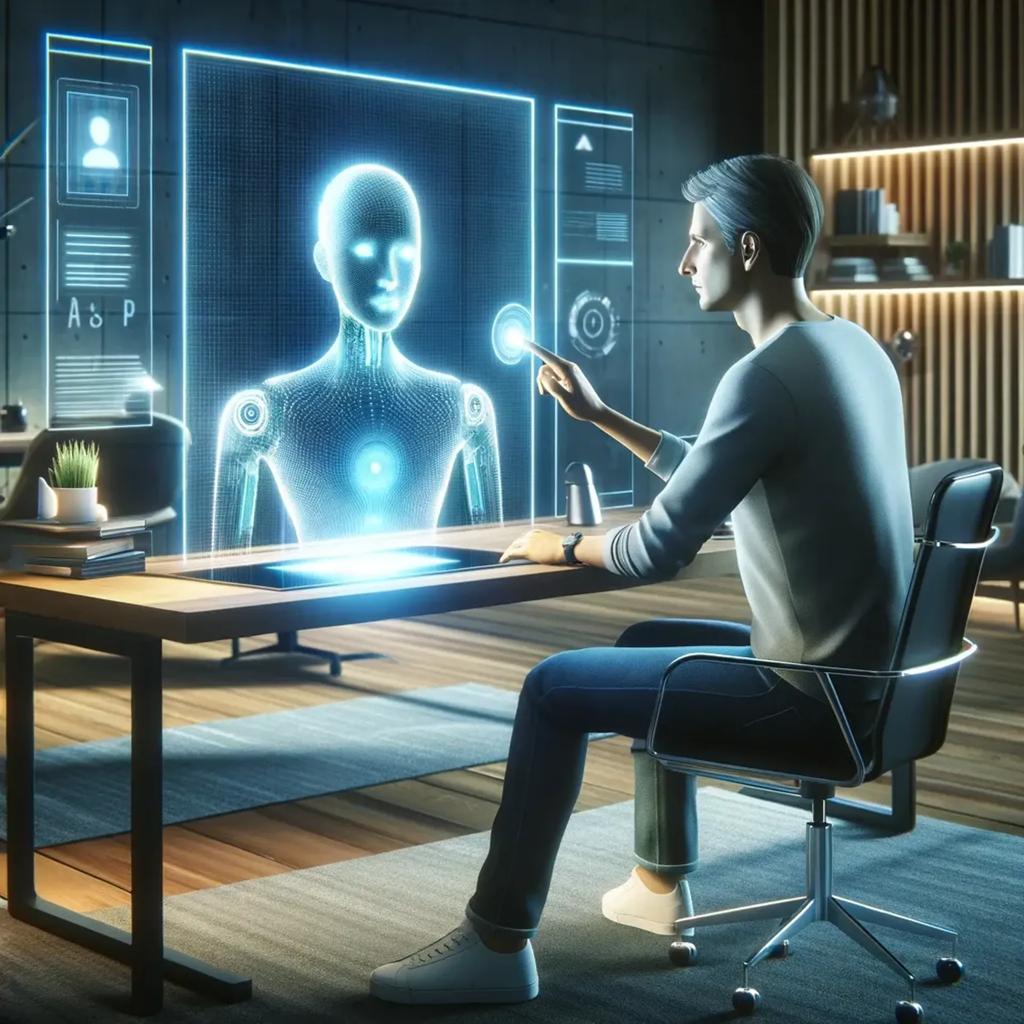
The next evolution of AI memory could lead to personal AI twins.
An AI twin could represent:
- Your knowledge
- Your preferences
- Your communication style
- Your professional experience
It could help manage your digital activities while you focus on creativity and important decisions.
For businesses, AI twins could become virtual employees.
For individuals, they could become lifelong assistants.
The idea is not creating another version of yourself but creating an intelligent system that understands how to support you.
8. AI Memory and the Future of Human-Technology Interaction
The relationship between humans and technology is changing.
Previously:
Humans used computers.
Then:
Humans communicated with AI.
Future:
Humans will collaborate with personal AI systems.
AI assistants may become deeply integrated into everyday life, helping with:
- Career planning
- Education
- Health management
- Creativity
- Personal organization
- Research
The most valuable AI may not be the one with the highest intelligence, but the one that understands you best.
Conclusion: The Era of Personalized Intelligence
The AI Memory Era represents a major transformation in how humans interact with technology.
Future AI assistants will move beyond simple question-answer systems and become intelligent companions that understand our goals, preferences, and experiences.
Long-term memory will allow AI to become more useful, more personal, and more connected to everyday life.
However, this future must be built responsibly. Privacy, security, and user control will be essential as AI becomes more deeply connected to human lives.
The future may belong to those who do not simply use AI, but those who build meaningful partnerships with intelligent systems.
AI will not just remember information.
It may remember us.