🚀 Introduction
Artificial Intelligence (AI) has rapidly evolved from an emerging technology into a core driver of innovation across industries. Today, AI services are empowering businesses, governments, educational institutions, healthcare providers, and individuals to automate workflows, improve decision-making, enhance customer experiences, and unlock new opportunities for growth. From intelligent virtual assistants and predictive analytics to computer vision and natural language processing, AI services are reshaping the digital landscape. 🌍
Organizations of all sizes are integrating AI into their daily operations to gain a competitive edge. Cloud-based AI platforms, machine learning tools, generative AI, robotic process automation, and conversational AI are no longer reserved for large enterprises. Small businesses, startups, freelancers, and nonprofit organizations can now access affordable AI-powered services that improve productivity while reducing operational costs.
The increasing availability of AI-as-a-Service (AIaaS) has further accelerated adoption. Instead of building complex AI infrastructure from scratch, companies can leverage cloud providers and specialized AI platforms to deploy intelligent applications quickly and efficiently. This democratization of AI enables organizations to focus on innovation rather than infrastructure.
In this comprehensive guide, we’ll explore what AI services are, their key categories, real-world applications, benefits, challenges, future trends, and how businesses can successfully implement AI-driven solutions. 🤖
🤖 What Are AI Services?
AI services refer to software, platforms, APIs, and cloud-based solutions that use artificial intelligence technologies to perform tasks traditionally requiring human intelligence.
These services include:
- 🧠 Machine Learning
- 💬 Natural Language Processing (NLP)
- 👁️ Computer Vision
- 🎙️ Speech Recognition
- ✍️ Generative AI
- 📊 Predictive Analytics
- 🤖 Intelligent Automation
- ☁️ AI Cloud Services
Instead of creating AI models from scratch, organizations can integrate existing AI services into websites, mobile apps, business software, and enterprise systems.
☁️ AI as a Service (AIaaS)


AI-as-a-Service (AIaaS) delivers AI capabilities through cloud platforms.
Benefits include:
✅ Lower upfront investment
✅ Scalable infrastructure
✅ Automatic updates
✅ Faster deployment
✅ Global accessibility
✅ Reduced maintenance
Organizations simply pay for the AI resources they use without managing expensive hardware.
💬 Conversational AI Services
One of the fastest-growing AI categories is conversational AI.
Examples include:
- 🤖 Chatbots
- 🎙️ Voice assistants
- 💼 Virtual customer support
- 📞 AI call center solutions
- 🌐 Multilingual communication
Modern conversational AI understands context, answers questions, resolves customer issues, and supports users around the clock.
Businesses benefit through:
- Faster response times
- Improved customer satisfaction
- Lower support costs
- Increased availability
- Personalized experiences
📊 Predictive Analytics Services
Predictive analytics uses machine learning to forecast future outcomes.
Applications include:
📈 Sales forecasting
🛒 Customer behavior prediction
💰 Financial planning
📦 Inventory optimization
🚚 Supply chain management
🏥 Healthcare forecasting
Retailers can anticipate purchasing trends, while manufacturers optimize production schedules based on demand predictions.
🧠 Machine Learning Services
Machine learning enables software to improve through experience.
Popular use cases include:
- Fraud detection
- Recommendation systems
- Demand forecasting
- Risk assessment
- Image classification
- Product recommendations
- Customer segmentation
These systems continuously learn from data, improving performance over time.
👁️ Computer Vision Services


Computer vision allows machines to interpret visual information.
Applications include:
📷 Facial recognition
🚗 Autonomous vehicles
🏭 Manufacturing inspection
🏥 Medical imaging
🛍️ Retail analytics
📦 Warehouse automation
Computer vision improves accuracy while reducing manual inspection efforts.
✍️ Generative AI Services
Generative AI has become one of the most exciting areas of artificial intelligence.
It can create:
📝 Articles
🎨 Images
🎥 Videos
🎵 Music
💻 Software code
📊 Reports
📧 Emails
Businesses use generative AI to accelerate content creation, streamline documentation, assist developers, and enhance creativity.
🏥 AI Services in Healthcare
Healthcare organizations increasingly rely on AI-powered solutions.
Examples include:
- Disease diagnosis
- Medical image analysis
- Drug discovery
- Patient monitoring
- Hospital workflow optimization
- Clinical decision support
AI helps medical professionals analyze complex data while improving patient outcomes.
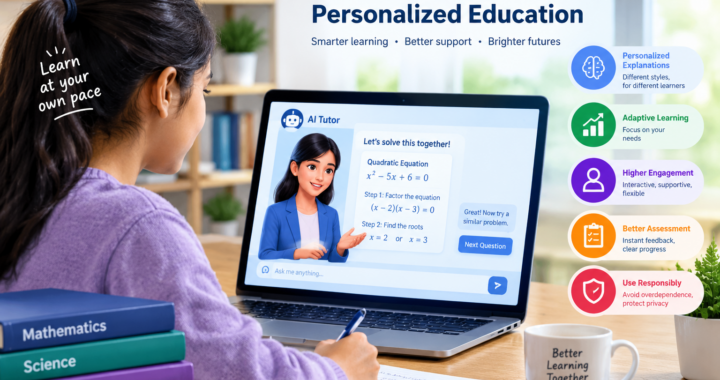
🎓 AI Services in Education
Educational institutions use AI to personalize learning experiences.
Benefits include:
📚 Adaptive learning
📝 Automated grading
🌍 Language translation
🎯 Personalized tutoring
📈 Learning analytics
🎥 Interactive education
Students receive customized recommendations while teachers gain valuable insights into learning progress.
🏦 AI Services in Finance
Financial organizations benefit from AI through:
💳 Fraud detection
📉 Risk management
📈 Investment analysis
🏦 Credit scoring
💰 Portfolio optimization
📊 Regulatory compliance
Machine learning identifies suspicious activities much faster than traditional systems.
🏭 AI Services in Manufacturing
Manufacturers use AI for:
⚙️ Predictive maintenance
🏗️ Quality inspection
📦 Supply chain optimization
🤖 Industrial robotics
📊 Production forecasting
🔧 Equipment monitoring
These capabilities reduce downtime and improve efficiency.
🛍️ AI Services in Retail
Retail businesses leverage AI to:
- Recommend products
- Forecast inventory
- Personalize marketing
- Analyze customer behavior
- Improve pricing strategies
- Optimize logistics
AI enables retailers to provide more engaging shopping experiences.
🚚 AI Services in Logistics
Transportation and logistics companies use AI for:
🚛 Route optimization
📦 Warehouse automation
🚚 Fleet management
📊 Demand forecasting
🌍 Delivery planning
⛽ Fuel efficiency
These improvements lower operating costs while enhancing customer satisfaction.
🔒 Security and Cybersecurity
AI strengthens cybersecurity through:
🛡️ Threat detection
🔍 Anomaly identification
📧 Spam filtering
🔑 Identity verification
🌐 Network monitoring
⚠️ Fraud prevention
Machine learning continuously adapts to emerging cyber threats.
🌱 AI Services for Sustainability
Artificial intelligence supports environmental initiatives by helping organizations:
♻️ Reduce waste
⚡ Improve energy efficiency
🌿 Monitor ecosystems
💧 Optimize water usage
🌎 Track emissions
🌱 Improve resource management
These applications contribute to long-term sustainability goals.
💼 Benefits of AI Services
Major advantages include:
✅ Increased productivity
✅ Lower operational costs
✅ Better customer experiences
✅ Faster decision-making
✅ Improved accuracy
✅ Business scalability
✅ Enhanced innovation
✅ Competitive advantage
Organizations that adopt AI strategically often experience significant improvements in efficiency and performance.
Challenges of AI Services
Despite their advantages, AI services present challenges such as:
- Data privacy and security
- Algorithmic bias
- Integration with legacy systems
- Regulatory compliance
- Workforce training
- High-quality data requirements
- Ethical AI governance
Successful implementation requires thoughtful planning, continuous monitoring, and responsible AI practices.
🚀 Future Trends
The future of AI services is expected to include:
🌐 Autonomous AI agents
🤖 More capable virtual assistants
📱 Edge AI for mobile devices
🏙️ Smart city infrastructure
🏥 Personalized healthcare
🧬 AI-assisted scientific discovery
⚡ Energy-efficient AI models
🌍 Responsible and explainable AI
As AI technologies mature, they will become even more accessible and deeply integrated into everyday life.
🎓 How Businesses Can Get Started
Organizations beginning their AI journey should:
- Identify repetitive tasks suitable for automation.
- Start with small pilot projects.
- Invest in clean, high-quality data.
- Train employees to work alongside AI tools.
- Measure outcomes using clear performance metrics.
- Prioritize security, privacy, and ethical governance.
- Continuously refine AI systems based on real-world feedback.
A phased approach helps organizations realize value while minimizing implementation risks.
🌟 Conclusion
AI services are transforming the way organizations operate, innovate, and interact with customers. From intelligent automation and predictive analytics to conversational AI and generative content creation, these technologies enable businesses to solve complex problems more efficiently and create new opportunities for growth. 🚀
As AI becomes more powerful and accessible, organizations of every size can leverage cloud-based AI services to improve productivity, enhance customer experiences, and support smarter decision-making. At the same time, responsible deployment—focusing on transparency, privacy, fairness, and human oversight—will remain essential for building trust and achieving long-term success.
Whether you’re an entrepreneur, business leader, developer, student, or technology enthusiast, understanding AI services today is an investment in the future. The organizations that embrace intelligent solutions thoughtfully and strategically will be best positioned to thrive in the rapidly evolving digital economy. 🌍🤖✨