🚀 Introduction
Artificial Intelligence (AI) has evolved from an emerging technology into a core business capability. In 2026, AI services help organizations automate workflows, improve customer experiences, analyze large datasets, generate content, enhance cybersecurity, and accelerate innovation. From startups to global enterprises, businesses across every industry are adopting AI-powered solutions to stay competitive in an increasingly digital world. 🌍🤖
AI services are no longer limited to technology companies. Healthcare providers use AI to assist in diagnostics, retailers personalize shopping experiences, financial institutions detect fraud, and educators create adaptive learning environments. Individuals also benefit from AI through virtual assistants, productivity tools, creative applications, and smart home devices.
This comprehensive guide explores AI services, their key technologies, practical applications, benefits, implementation strategies, challenges, and future trends shaping the AI landscape. 📈
🤖 What Are AI Services?


AI services are software platforms, cloud solutions, and intelligent applications that use artificial intelligence to perform tasks that typically require human intelligence.
Common AI service categories include:
- 🧠 Machine Learning (ML)
- 💬 Natural Language Processing (NLP)
- 🎨 Generative AI
- 👁️ Computer Vision
- 🎙️ Speech Recognition
- 📊 Predictive Analytics
- 🤖 Intelligent Automation
- ☁️ AI Cloud Platforms
These services can be accessed through APIs, cloud platforms, SaaS applications, or custom enterprise solutions.
📜 The Evolution of AI Services
Artificial intelligence has advanced rapidly over the last decade. Early systems focused on rule-based automation, while modern AI uses deep learning, large language models, and advanced neural networks to solve complex problems.
Key milestones include:
- 🖥️ Rule-based expert systems
- 📈 Machine learning algorithms
- 🧠 Deep learning breakthroughs
- 💬 Conversational AI assistants
- 🎨 Generative AI for text, images, audio, and video
- ☁️ Scalable cloud AI infrastructure
Today, AI services are more accessible, affordable, and powerful than ever before.
🌟 Core Types of AI Services
💬 Conversational AI
AI-powered chatbots and virtual assistants provide instant customer support, answer questions, schedule appointments, and automate common interactions.
Benefits include:
- ⏰ 24/7 availability
- 😊 Faster response times
- 💰 Reduced support costs
- 🌍 Multilingual communication
✍️ AI Content Generation
Generative AI tools assist with:
- Blog articles
- Marketing copy
- Product descriptions
- Email campaigns
- Social media posts
- Technical documentation
- Creative writing
These tools increase productivity while allowing human editors to refine and personalize content.
📊 Predictive Analytics
AI analyzes historical and real-time data to forecast future outcomes.
Applications include:
- Sales forecasting
- Demand prediction
- Inventory planning
- Risk assessment
- Customer behavior analysis
- Financial modeling
👁️ Computer Vision
Computer vision enables machines to interpret and analyze visual information.
Common uses include:
- Facial recognition
- Medical imaging
- Manufacturing quality control
- Autonomous vehicles
- Security monitoring
- Retail analytics
🎙️ Speech and Voice AI
Voice-enabled AI services support:
- Voice assistants
- Speech-to-text transcription
- Real-time translation
- Voice authentication
- Call center automation
🏢 AI Services for Businesses


Businesses across industries leverage AI services to improve efficiency and innovation.
📈 Marketing
AI assists marketers by:
- Researching keywords
- Personalizing campaigns
- Optimizing advertisements
- Generating creative content
- Predicting customer preferences
🛒 Retail and E-Commerce
Retailers use AI for:
- Product recommendations
- Inventory optimization
- Dynamic pricing
- Customer segmentation
- Fraud detection
🏦 Finance
Financial institutions apply AI to:
- Detect fraudulent transactions
- Assess credit risk
- Automate compliance
- Analyze market trends
- Improve customer support
🏥 Healthcare
Healthcare organizations benefit from AI through:
- Diagnostic assistance
- Medical image analysis
- Patient scheduling
- Drug discovery support
- Personalized treatment planning
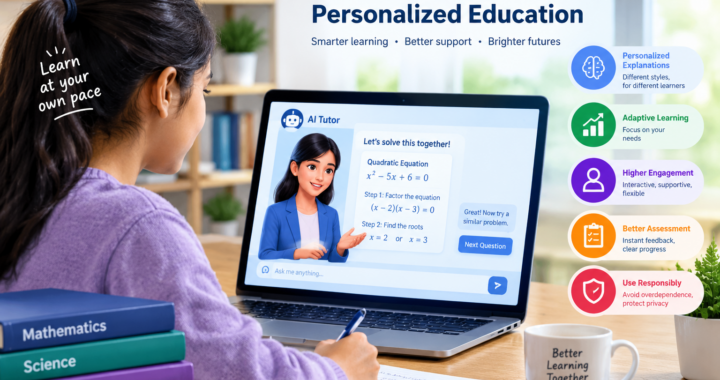
🎓 Education
Educational AI services provide:
- Adaptive learning platforms
- Automated grading
- Personalized tutoring
- Research assistance
- Language learning support
⚙️ Intelligent Automation
Automation is one of the most valuable AI services available today.
Examples include:
- 📧 Email management
- 📅 Appointment scheduling
- 📂 Document processing
- 🧾 Invoice handling
- 📦 Supply chain optimization
- 🔄 Workflow automation
By reducing repetitive tasks, employees can focus on strategic and creative work.
☁️ Cloud-Based AI Services
Cloud platforms make AI accessible without requiring expensive hardware.
Advantages include:
- 🌍 Global accessibility
- 📈 Scalability
- 🔒 Enterprise-grade security
- 💾 Flexible storage
- ⚡ High-performance computing
- 💰 Cost efficiency
Cloud AI enables organizations of all sizes to deploy advanced machine learning models quickly.
🔒 Security and Responsible AI
As AI adoption grows, organizations must prioritize:
- 🔐 Data privacy
- 🛡️ Cybersecurity
- ⚖️ Ethical AI practices
- 📜 Regulatory compliance
- 👨💼 Human oversight
- 📊 Transparency and accountability
Responsible AI ensures that systems are trustworthy, fair, and aligned with organizational values.
📈 Benefits of AI Services
Organizations implementing AI services often experience:
- 🚀 Increased productivity
- 💰 Reduced operational costs
- 📊 Better decision-making
- 😊 Enhanced customer experiences
- ⚡ Faster innovation
- 🌍 Improved scalability
- 📈 Competitive advantage
Individuals also benefit from improved productivity, creativity, and access to intelligent digital tools.
⚠️ Challenges of AI Adoption
Despite its advantages, AI implementation can present challenges:
- 📂 Managing data quality
- 💻 Integrating with existing systems
- 🎓 Training employees
- 🔒 Protecting sensitive information
- ⚖️ Addressing algorithmic bias
- 📜 Meeting legal and regulatory requirements
Careful planning and governance are essential for successful AI adoption.
🔮 Future Trends in AI Services
The future of AI services is expected to include:
- 🤖 More capable virtual assistants
- 🧠 Multimodal AI combining text, images, audio, and video
- 🌐 Edge AI for faster local processing
- 🏥 AI-driven personalized healthcare
- 🚗 Autonomous systems and robotics
- 🌱 Sustainable AI infrastructure
- 🔬 AI-assisted scientific research
As AI continues to evolve, its integration into everyday business operations and personal life will become even more seamless.
💡 Best Practices for Using AI Services
To maximize the value of AI services:
- 🎯 Define clear objectives before implementation.
- 📊 Use high-quality, well-managed data.
- 🔍 Regularly evaluate AI performance.
- 👨💼 Keep humans involved in important decisions.
- 🔒 Protect user privacy and secure sensitive information.
- 📚 Invest in employee training and AI literacy.
- 🔄 Continuously improve AI models based on feedback.
🌍 AI Services Across Industries
AI services are transforming nearly every sector, including:
- 🏭 Manufacturing
- 🚚 Logistics
- 🛍️ Retail
- 🏦 Banking
- 🏥 Healthcare
- 🎓 Education
- 🌾 Agriculture
- ✈️ Travel
- 🎬 Entertainment
- ⚡ Energy
- 🏡 Real Estate
- 📡 Telecommunications
Each industry benefits from greater efficiency, improved decision-making, and enhanced customer experiences.
📝 Conclusion
AI services have become a driving force behind digital transformation, enabling organizations and individuals to work smarter, innovate faster, and solve complex challenges more effectively. Whether through intelligent automation, predictive analytics, conversational AI, or generative content creation, these services are reshaping the way businesses operate and how people interact with technology.
While successful AI adoption requires careful planning, strong governance, and responsible practices, the opportunities are immense. Organizations that embrace AI strategically will be better positioned to improve productivity, enhance customer satisfaction, and remain competitive in the rapidly evolving digital economy.
As artificial intelligence continues to advance, AI services will play an increasingly important role in shaping the future of work, education, healthcare, finance, and countless other industries—making technology more intelligent, accessible, and impactful for everyone. 🚀🤖🌍