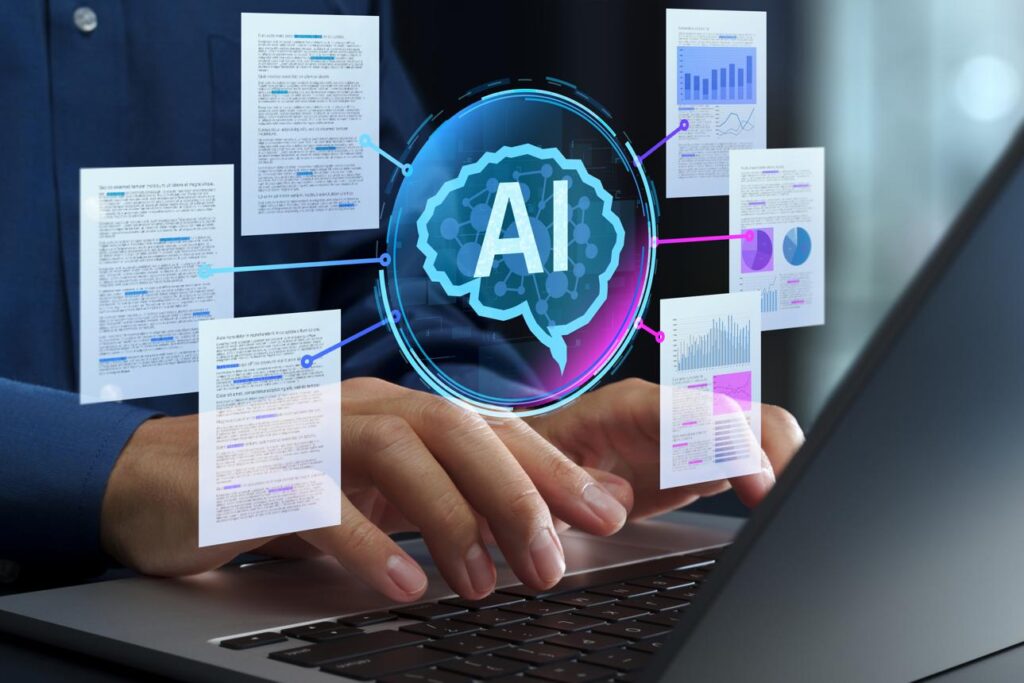


Multimodal AI refers to artificial intelligence systems that can understand, process, and generate multiple types of data simultaneously, including text, images, audio, video, and documents. Unlike earlier AI systems that specialized in only one type of input, multimodal models combine information from different sources to create a more complete understanding of the world.
What Makes Multimodal AI Different?
Traditional AI models often work within a single domain. For example:
- Text models analyze and generate written content.
- Image models recognize or create pictures.
- Speech systems process audio and voice commands.
- Video models analyze moving visuals.
Multimodal AI brings these capabilities together in a unified system. A single model can read a document, analyze charts within it, listen to an audio explanation, and answer questions based on all of that information.
How Multimodal AI Works
Multimodal systems use advanced neural networks that convert different data types into representations the AI can understand. The model then connects information across formats.
For example, a multimodal AI can:
- Read a medical report.
- Analyze an X-ray image.
- Listen to a doctor’s voice notes.
- Generate a summary combining insights from all sources.
This integrated approach allows AI to perform tasks that previously required multiple separate tools.
Key Applications
1. Healthcare
Doctors can use multimodal AI to combine patient records, medical images, laboratory results, and voice notes to support diagnosis and treatment planning.
2. Education
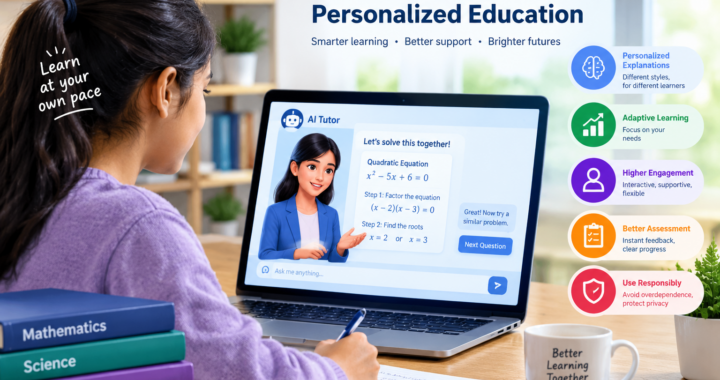
Students can upload documents, images, videos, and audio recordings. The AI can explain concepts, summarize lessons, and answer questions using all available materials.
3. Customer Support
Businesses can provide AI assistants that understand screenshots, documents, voice messages, and text conversations, enabling faster and more accurate support.
4. Content Creation
Creators can generate articles, images, videos, and voiceovers using a single AI system, significantly streamlining production workflows.
5. Enterprise Operations
Organizations can analyze contracts, presentations, emails, meeting recordings, and reports together to uncover insights and automate workflows.
Benefits of Multimodal AI
- More natural human-computer interaction
- Better context understanding
- Improved accuracy through multiple data sources
- Reduced need for separate specialized tools
- Enhanced productivity and automation
Challenges
Despite its advantages, multimodal AI faces several challenges:
- High computing requirements
- Data privacy and security concerns
- Potential biases in training data
- Complex model development and deployment
- Regulatory and ethical considerations
The Future of Multimodal AI
As AI technology continues to advance, multimodal systems are expected to become the standard for digital assistants, enterprise platforms, healthcare tools, and creative applications. Future models will likely process real-time text, images, audio, video, and sensor data simultaneously, enabling more intelligent and context-aware interactions.
Conclusion
Multimodal AI represents one of the most important developments in artificial intelligence. By combining text, images, audio, video, and documents into a single intelligent system, it creates a more human-like understanding of information. As adoption accelerates across industries, multimodal AI is poised to transform how people work, learn, communicate, and solve complex problems.