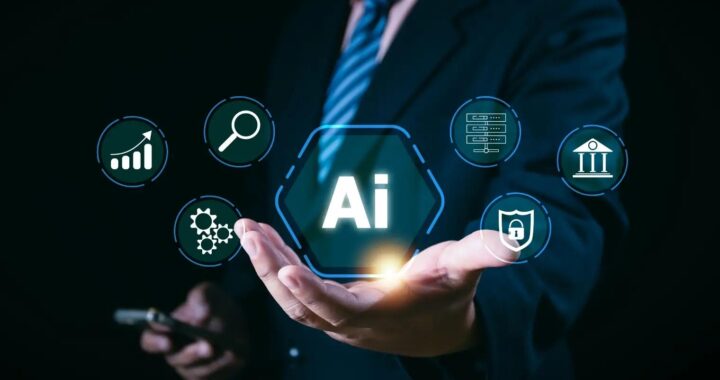
AIServices is a growing concept in the digital landscape that focuses on delivering artificial intelligence capabilities as accessible and scalable services. The term aiservices refers to a wide range of AI-powered tools and platforms that help businesses and individuals automate tasks, analyze data, and improve decision-making. With the rise of cloud computing and advanced algorithms, aiservices has become a key component in modern digital transformation. It allows organizations to adopt intelligent solutions without the need to build complex systems from scratch, making innovation more accessible and efficient.
Core Components of AISERVICES
At the heart of aiservices are several key technologies that work together to deliver powerful results. These include machine learning, natural language processing, computer vision, and data analytics. Each component plays a crucial role in enabling aiservices to perform complex tasks such as speech recognition, image analysis, and predictive modeling. Cloud infrastructure is another essential element, as it provides the scalability and flexibility needed to handle large volumes of data. By combining these technologies, aiservices offers a comprehensive solution for various digital needs.
Applications of AISERVICES Across Industries
AIServices is widely used across different industries due to its versatility and efficiency. In healthcare, aiservices helps analyze patient data and support diagnosis processes. In finance, it is used for fraud detection, risk assessment, and automated trading. The retail industry benefits from aiservices through personalized recommendations and customer behavior analysis. In education, aiservices supports adaptive learning systems that cater to individual student needs. Additionally, in customer service, aiservices powers chatbots and virtual assistants that provide instant support and improve user experience.
Benefits of Implementing AISERVICES
The adoption of aiservices offers numerous advantages for organizations and individuals. One of the main benefits is increased efficiency, as automated systems can handle repetitive tasks quickly and accurately. AIServices also improves decision-making by providing data-driven insights that help businesses plan and execute strategies effectively. Another advantage is cost reduction, as companies can minimize manual labor and optimize resource allocation. Furthermore, aiservices enhances user engagement by delivering personalized and responsive digital experiences, which are essential in today’s competitive market.
Challenges and Considerations
Despite its many benefits, aiservices also comes with certain challenges that need to be addressed. Data privacy and security are major concerns, as these systems rely on large amounts of sensitive information. Ensuring proper data protection measures is crucial to maintain trust and compliance with regulations. Another challenge is the complexity of integration, as implementing aiservices into existing systems may require technical expertise and infrastructure upgrades. Additionally, there are ethical considerations related to automation and decision-making, particularly in areas where human judgment is critical.
Future Trends in AISERVICES
The future of aiservices looks promising as technology continues to evolve. Innovations in AI are expected to make these services more intelligent, efficient, and accessible. Emerging trends include the development of more advanced conversational AI, improved data analytics capabilities, and greater integration with emerging technologies such as the Internet of Things. AIServices is also likely to play a significant role in building smart cities and enhancing digital ecosystems. As adoption grows, aiservices will continue to shape the future of how businesses and individuals interact with technology in a more intelligent and connected way.