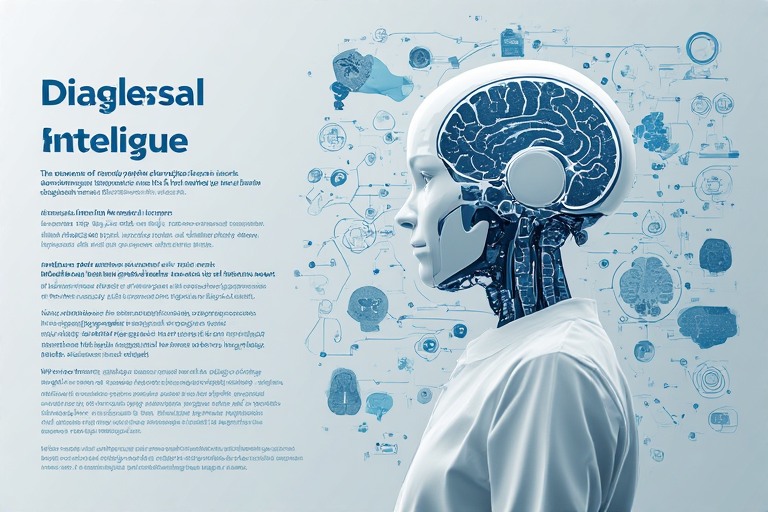
Artificial Intelligence (AI) is rapidly transforming healthcare systems across the world. One of its most powerful applications is in diagnosing diseases faster, more accurately, and often earlier than traditional methods. From analyzing medical images to predicting potential health risks, AI is becoming an essential partner for doctors and healthcare professionals.
1. How AI Assists in Disease Diagnosis
AI systems are trained using massive datasets of medical records, lab results, and imaging scans. These systems learn to identify patterns that may be too subtle or complex for humans to detect quickly.
For example, AI algorithms can analyze X-rays, MRIs, and CT scans to detect signs of diseases such as cancer, pneumonia, or neurological disorders. In many cases, AI can flag abnormalities within seconds, allowing doctors to act faster.
2. Faster Medical Imaging Analysis
Medical imaging is one of the most impactful areas where AI is used. Traditionally, radiologists manually review scans, which can take time and may lead to fatigue-related errors.
AI-powered tools now assist by:
- Highlighting suspicious areas in scans
- Prioritizing urgent cases
- Reducing diagnostic turnaround time
This leads to quicker decision-making, especially in emergency situations like strokes or internal injuries.
3. Predictive Diagnosis and Early Detection
Beyond analyzing current conditions, AI can predict future health risks. By studying patient history, genetics, and lifestyle data, AI systems can identify individuals at high risk of developing diseases such as diabetes, heart disease, or kidney failure.
Early detection allows for preventive care, which can significantly improve survival rates and reduce treatment costs.
4. Reducing Human Error in Healthcare
Even experienced doctors can sometimes miss subtle symptoms due to workload or complexity of cases. AI acts as a second layer of review, helping reduce diagnostic errors.
It does not replace doctors but supports them by:
- Providing data-driven insights
- Cross-checking symptoms and test results
- Suggesting possible conditions for further evaluation
This collaboration improves overall accuracy in healthcare.
5. AI in Personalized Treatment Plans
AI is also helping doctors design personalized treatment strategies. Every patient is unique, and AI helps tailor treatments based on:
- Medical history
- Genetic information
- Response to previous medications
This approach increases treatment effectiveness and reduces side effects.
6. Challenges and Ethical Considerations
Despite its advantages, AI in healthcare also brings challenges:
- Data privacy concerns
- Need for high-quality training data
- Risk of algorithm bias
- Dependence on technology infrastructure
Healthcare systems must ensure AI is used responsibly, transparently, and ethically.
Conclusion
AI is revolutionizing healthcare by making disease diagnosis faster, smarter, and more accurate. It enhances the capabilities of doctors rather than replacing them, leading to improved patient outcomes and more efficient medical systems. As technology continues to evolve, AI is expected to become an even more integral part of global healthcare, helping save lives through early detection and precision medicine.