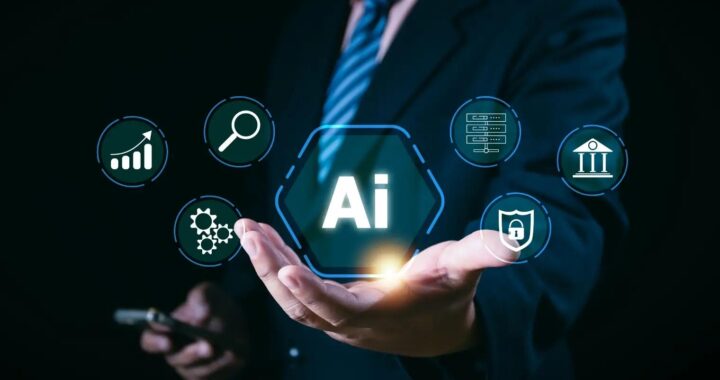
AIServices have become a vital part of the modern technological landscape, offering intelligent solutions that simplify complex tasks and improve efficiency. These services are powered by artificial intelligence and are designed to assist users in areas such as automation, data analysis, and customer interaction. In today’s digital era, aiservices are no longer limited to large corporations, as they are increasingly accessible to small businesses and individuals. This growing accessibility highlights the importance of aiservices in shaping how people interact with technology on a daily basis.
The Technology Driving AIServices Forward
The rapid development of aiservices is fueled by advancements in machine learning, natural language processing, and cloud computing. These technologies allow systems to learn from data, understand human language, and deliver accurate results in real time. AIServices rely heavily on large datasets and powerful algorithms to function effectively. As computing power continues to grow, aiservices are becoming more sophisticated and capable of handling complex tasks that were once performed only by humans. This technological foundation is key to the continued expansion of aiservices.
Key Applications of AIServices in Various Sectors
AIServices are widely used across multiple industries, providing innovative solutions tailored to specific needs. In healthcare, they assist with medical analysis and patient management. In finance, aiservices are used for fraud detection, investment analysis, and automated trading systems. Retail businesses benefit from aiservices through personalized recommendations and customer support chatbots. In education, they enable adaptive learning platforms that cater to individual student needs. These applications demonstrate the versatility and effectiveness of aiservices in improving operations across different sectors.
Advantages of Using AIServices in Daily Operations
One of the main advantages of aiservices is their ability to increase efficiency and productivity. By automating repetitive tasks, they free up time for employees to focus on more strategic activities. AIServices also improve accuracy by minimizing human errors, especially in data processing and analysis. Another benefit is scalability, as these systems can handle large volumes of data without compromising performance. Additionally, aiservices provide valuable insights that help organizations make informed decisions, making them an essential tool in modern operations.
Challenges and Risks Associated with AIServices
Despite their many benefits, aiservices also present certain challenges that need to be addressed. Data privacy and security are major concerns, as these systems require access to sensitive information. There is also the issue of algorithmic bias, which can lead to unfair outcomes if not properly managed. Implementing aiservices can be costly and may require specialized expertise, which can be a barrier for smaller organizations. Furthermore, the increasing reliance on automation raises concerns about job displacement and the need for workforce adaptation.
Future Potential of AIServices in a Rapidly Changing World
The future of aiservices is filled with opportunities as technology continues to evolve. These services are expected to become more intelligent, intuitive, and integrated into everyday life. Innovations such as advanced voice assistants, predictive analytics, and autonomous systems will further enhance their capabilities. In the coming years, aiservices will play a crucial role in driving digital transformation, enabling smarter cities, improving healthcare systems, and enhancing global connectivity. As they continue to develop, aiservices will remain a key factor in shaping the future of technology and human interaction.