

Artificial Intelligence (AI) services are cloud-based or on-premises software solutions that use AI technologies—such as machine learning, natural language processing, computer vision, and generative AI—to automate tasks, analyze data, and support decision-making. Organizations of all sizes use AI services to improve efficiency, enhance customer experiences, and create innovative products.
🤖 What Are AI Services?
AI services are ready-to-use tools, platforms, or APIs that allow developers and businesses to integrate AI capabilities into applications without building every AI model from scratch.
These services can perform tasks such as:
- 💬 Understanding and generating text
- 🎤 Speech recognition and synthesis
- 🖼️ Image and video analysis
- 📊 Predictive analytics
- 🤖 Process automation
- 🌐 Language translation
- 📈 Business intelligence
🧠 Core Technologies Behind AI Services
AI services typically combine several technologies:
📚 Machine Learning (ML)
Machine learning enables systems to learn patterns from data and improve predictions over time.
Examples include:
- Fraud detection
- Recommendation systems
- Sales forecasting
- Predictive maintenance
💬 Natural Language Processing (NLP)
NLP allows computers to understand, interpret, and generate human language.
Common uses:
- Chatbots
- Virtual assistants
- Document summarization
- Sentiment analysis
- Language translation
👁️ Computer Vision
Computer vision enables software to interpret images and videos.
Applications include:
- Face recognition
- Object detection
- Medical image analysis
- Quality inspection
- Optical character recognition (OCR)
✨ Generative AI
Generative AI creates new content based on user prompts or existing data.
Examples:
- Writing assistance
- Image generation
- Code generation
- Audio synthesis
- Video creation
☁️ Types of AI Services


💬 Conversational AI
Conversational AI powers systems that interact with users in natural language.
Examples:
- Customer support chatbots
- Virtual assistants
- AI help desks
- Voice assistants
📊 Predictive Analytics
Predictive AI analyzes historical data to forecast future outcomes.
Used for:
- Demand forecasting
- Risk assessment
- Financial analysis
- Marketing optimization
🖼️ Vision AI
Vision AI analyzes visual content such as images and videos.
Capabilities include:
- Image classification
- Object recognition
- OCR
- Video analysis
- Defect detection
🎤 Speech AI
Speech AI processes spoken language.
Functions include:
- Speech-to-text
- Text-to-speech
- Voice authentication
- Real-time transcription
📝 Document AI
Document AI automates information extraction from documents.
Applications:
- Invoice processing
- Contract analysis
- Form recognition
- Compliance workflows
🏢 Business Applications
Organizations use AI services in many industries:
🏥 Healthcare
- Clinical decision support
- Medical image analysis
- Administrative automation
💰 Finance
- Fraud detection
- Credit risk analysis
- Customer service automation
🛒 Retail
- Personalized recommendations
- Inventory forecasting
- Customer analytics
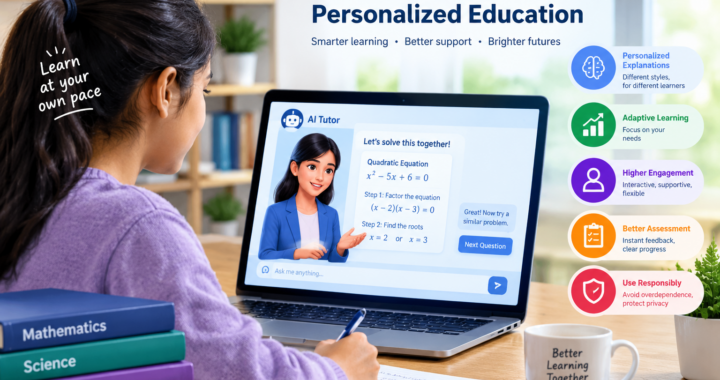
🎓 Education
- Adaptive learning
- AI tutoring
- Automated grading assistance
🚗 Manufacturing
- Predictive maintenance
- Quality inspection
- Process optimization
🌾 Agriculture
- Crop monitoring
- Yield prediction
- Precision farming
🚀 Benefits of AI Services
Advantages include:
- ⚡ Faster task automation
- 📈 Improved productivity
- 💰 Lower operational costs
- 😊 Better customer experiences
- 📊 Data-driven decision-making
- 🌍 Scalable cloud deployment
- 🧠 Enhanced innovation
⚠️ Challenges
Organizations should also consider:
- Data privacy and security
- Bias in AI models
- Regulatory compliance
- Integration with existing systems
- Ongoing monitoring and maintenance
- Human oversight for important decisions
🛠️ Popular Categories of AI Services
Many platforms offer services in areas such as:
- 🤖 AI chat and virtual assistants
- ☁️ Cloud AI APIs
- 📊 Business analytics
- 🖼️ Image recognition
- 🎤 Speech processing
- 📝 Document processing
- 🔍 Recommendation engines
- 🛡️ AI-powered cybersecurity
👨💻 Skills for Working with AI Services
Useful skills include:
- Python programming
- API integration
- Cloud computing
- Data analysis
- Machine learning fundamentals
- Prompt engineering
- Software development
- Database management
🌍 Real-World Examples
AI services are commonly used for:
- 💬 Customer support chatbots
- 📧 Email classification
- 📄 Automated document processing
- 📈 Sales forecasting
- 🛍️ Product recommendations
- 🎥 Content moderation
- 🌐 Language translation
- 🩺 Medical imaging support
🔮 The Future of AI Services
The next generation of AI services is expected to focus on:
- 🤖 More capable AI assistants
- 🌐 Multimodal AI that works with text, images, audio, and video
- ⚙️ Increased automation across business processes
- 📱 AI integration into everyday productivity tools
- 🔒 Greater emphasis on responsible AI, privacy, and transparency
As organizations adopt AI more broadly, effective governance and human oversight will remain important.
❓ Frequently Asked Questions
What are AI services?
AI services are software solutions or APIs that provide artificial intelligence capabilities such as language understanding, image analysis, prediction, and automation.
Do businesses need AI experts to use AI services?
Not always. Many AI services are designed to be easy to integrate through APIs or user-friendly interfaces, though more advanced projects may require technical expertise.
Are AI services only cloud-based?
No. While many are offered through the cloud, some organizations deploy AI services on-premises or in hybrid environments to meet security or compliance requirements.
Which industries benefit the most?
Healthcare, finance, retail, manufacturing, education, agriculture, logistics, and many other sectors use AI services to improve efficiency and decision-making.
AI services make advanced artificial intelligence accessible to businesses and developers by providing ready-to-use capabilities for language, vision, speech, analytics, and automation. Rather than building every AI model from scratch, organizations can integrate these services into their applications to streamline operations, enhance customer experiences, and support innovation. As AI technology continues to evolve, AI services are likely to become an even more important part of digital transformation across industries.


Artificial Intelligence (AI) services are software solutions, cloud platforms, and APIs that provide intelligent capabilities such as language understanding, image recognition, speech processing, predictive analytics, and automation. Instead of building complex AI models from scratch, developers and organizations can integrate these services into their applications to solve real-world problems more quickly and efficiently.
Today, AI services power virtual assistants, recommendation engines, fraud detection systems, automated customer support, medical image analysis, and many other technologies used across industries.
🤖 What Are AI Services?
AI services are pre-built or customizable artificial intelligence capabilities that can be accessed through cloud platforms, APIs, or software applications.
These services enable users to:
- 💬 Generate and understand text
- 🎤 Convert speech to text and text to speech
- 🌐 Translate languages
- 🖼️ Analyze images and videos
- 📊 Predict future trends
- 🤖 Automate repetitive tasks
- 📄 Extract information from documents
- 📈 Support business decision-making
Because many AI services are available as managed platforms, organizations can adopt AI without developing every component themselves.
🧠 Key Technologies Behind AI Services
📚 Machine Learning (ML)
Machine learning enables systems to learn patterns from historical data and make predictions or classifications.
Common applications include:
- Customer recommendations
- Demand forecasting
- Fraud detection
- Predictive maintenance
💬 Natural Language Processing (NLP)
NLP helps computers understand, interpret, and generate human language.
Examples include:
- AI chatbots
- Email classification
- Text summarization
- Sentiment analysis
- Language translation
👁️ Computer Vision
Computer vision allows software to analyze images and videos.
Applications include:
- Object detection
- Facial recognition
- Medical image analysis
- Optical Character Recognition (OCR)
- Quality inspection in manufacturing
🎨 Generative AI
Generative AI creates new content based on prompts or existing information.
It can generate:
- Articles
- Images
- Computer code
- Audio
- Videos
- Marketing content
☁️ Types of AI Services


💬 Conversational AI
Conversational AI enables natural interactions between humans and computers.
Examples:
- Customer support chatbots
- AI virtual assistants
- Voice assistants
- Interactive help desks
📊 Predictive Analytics Services
These services analyze historical data to predict future outcomes.
Used in:
- Sales forecasting
- Inventory planning
- Financial analysis
- Risk management
🖼️ Vision AI Services
Vision AI processes visual information.
Capabilities include:
- Image classification
- Face detection
- Object recognition
- Video analytics
- OCR
🎤 Speech AI Services
Speech AI works with spoken language.
Functions include:
- Speech-to-text
- Text-to-speech
- Voice recognition
- Audio transcription
📄 Document AI
Document AI automates document processing.
Examples:
- Invoice extraction
- Contract review
- Form processing
- Compliance checks
🤖 Intelligent Automation
AI combines with automation technologies to streamline workflows.
Typical uses:
- Customer onboarding
- Workflow automation
- Process optimization
- Robotic Process Automation (RPA)
🏢 Business Applications
AI services are used across many industries.
🏥 Healthcare
- Clinical decision support
- Medical imaging assistance
- Administrative automation
- Drug discovery support
💰 Finance
- Fraud detection
- Credit scoring
- Customer service
- Investment analytics
🛒 Retail
- Personalized recommendations
- Dynamic pricing
- Inventory optimization
- Customer insights
🎓 Education
- AI tutors
- Personalized learning
- Content generation
- Student performance analysis
🏭 Manufacturing
- Predictive maintenance
- Defect detection
- Supply chain optimization
- Production monitoring
🌱 Agriculture
- Crop monitoring
- Disease detection
- Precision farming
- Yield prediction
🚀 Benefits of AI Services
Organizations adopt AI services because they can provide:
- ⚡ Faster operations
- 📈 Improved productivity
- 💰 Reduced operational costs
- 😊 Better customer experiences
- 📊 Data-driven insights
- 🌍 Scalability
- 🧠 Continuous improvement as models evolve
⚠️ Challenges
Successful adoption also requires attention to:
- Data quality
- Privacy and security
- Bias and fairness
- Regulatory compliance
- Integration with existing systems
- Ongoing monitoring
- Human oversight for important decisions
🛠️ Common AI Service Categories
Popular categories include:
- 💬 Chatbots and virtual assistants
- 🧠 Machine learning platforms
- 📊 Business intelligence tools
- 👁️ Computer vision services
- 🎤 Speech processing
- 📄 Intelligent document processing
- 🔍 Search and recommendation systems
- 🔒 AI-powered cybersecurity
👨💻 Skills for Working with AI Services
Professionals working with AI services often benefit from knowledge of:
- Python
- APIs
- Cloud computing
- SQL and databases
- Data analysis
- Machine learning fundamentals
- Software development
- Prompt engineering
🌍 Real-World Use Cases
Examples of AI services in action include:
- 💬 Customer support chatbots
- 📧 Smart email filtering
- 📄 Automated invoice processing
- 🛍️ Personalized shopping recommendations
- 🚚 Supply chain forecasting
- 🩺 Medical imaging support
- 🎥 Content moderation
- 🌐 Language translation
🔮 Future Trends
AI services are expected to continue evolving in several directions:
- 🤖 More capable AI assistants that can perform multi-step tasks
- 🌐 Multimodal AI combining text, images, audio, and video
- ⚙️ Increased automation across business workflows
- ☁️ Wider deployment through cloud and edge computing
- 🔒 Stronger emphasis on privacy, transparency, and responsible AI
As adoption grows, organizations will increasingly focus on integrating AI into existing systems while maintaining security and governance.
🎯 Conclusion
AI services provide accessible, scalable tools that bring artificial intelligence into everyday applications and business operations. By offering capabilities such as natural language processing, computer vision, predictive analytics, and intelligent automation, these services help organizations improve efficiency, gain insights from data, and enhance customer experiences. As AI technology continues to advance, AI services are likely to play an even greater role in digital transformation across industries while emphasizing responsible and secure deployment.