🌟 AI Services: The Complete Guide to Artificial Intelligence Solutions in 2026
Artificial Intelligence (AI) has become one of the most influential technologies of the digital era. Organizations of every size are integrating AI-powered services to streamline operations, improve customer experiences, automate repetitive tasks, and uncover valuable insights from data. From cloud-based machine learning platforms to intelligent virtual assistants, AI Services are helping businesses innovate while enabling individuals to work more efficiently.
This in-depth guide explores the world of AI services, including their core technologies, real-world applications, benefits, challenges, emerging trends, and practical strategies for successful adoption.
🤖 What Are AI Services?
AI services are software tools, cloud platforms, and intelligent applications that use artificial intelligence technologies to perform tasks that traditionally required human intelligence. These services are often delivered through cloud infrastructure, APIs, or enterprise software, making advanced AI capabilities accessible without building complex systems from scratch.
Common AI service categories include:
- 🧠 Machine Learning Services
- 💬 Natural Language Processing (NLP)
- 🎨 Generative AI
- 👁️ Computer Vision
- 🎙️ Speech Recognition
- 🤖 Conversational AI
- 📊 Predictive Analytics
- ☁️ AI Cloud Platforms
Businesses can integrate these services into websites, mobile applications, business workflows, and customer support systems.
🌍 Why AI Services Matter
Digital transformation has increased the demand for intelligent automation and data-driven decision-making. AI services help organizations improve efficiency while enabling employees to focus on creative, strategic, and customer-focused work.
Major benefits include:
- ⚡ Faster decision-making
- 💼 Increased productivity
- 💰 Cost optimization
- 😊 Improved customer experiences
- 📈 Better forecasting
- 🔒 Enhanced cybersecurity
- 🌐 Greater scalability
- 🚀 Accelerated innovation
As AI technologies mature, organizations are increasingly using them to complement human expertise rather than replace it.
☁️ Cloud-Based AI Services


Cloud computing has made advanced AI capabilities more accessible by allowing businesses to use scalable computing resources on demand.
Popular cloud AI capabilities include:
- 📊 Data analytics
- 🤖 Machine learning model deployment
- 💬 Language understanding
- 👁️ Image analysis
- 🎙️ Speech processing
- 📈 Predictive modeling
Cloud-based AI reduces the need for organizations to maintain expensive infrastructure while enabling rapid experimentation and deployment.
💬 Conversational AI and Virtual Assistants
Conversational AI enables systems to understand and respond to human language.
Applications include:
- 💬 Customer support chatbots
- 📞 Virtual call assistants
- 📅 Appointment scheduling
- 📧 Email assistance
- 📚 Knowledge management
- 🌍 Multilingual communication
Modern conversational AI can assist users by answering questions, organizing information, and providing helpful recommendations.
🎨 Generative AI Services
Generative AI creates original content based on user prompts and data patterns.
Examples include:
- ✍️ Writing assistance
- 🎨 Image generation
- 💻 Code suggestions
- 🎬 Video creation
- 🎵 Music composition
- 📢 Marketing content
- 📄 Document summarization
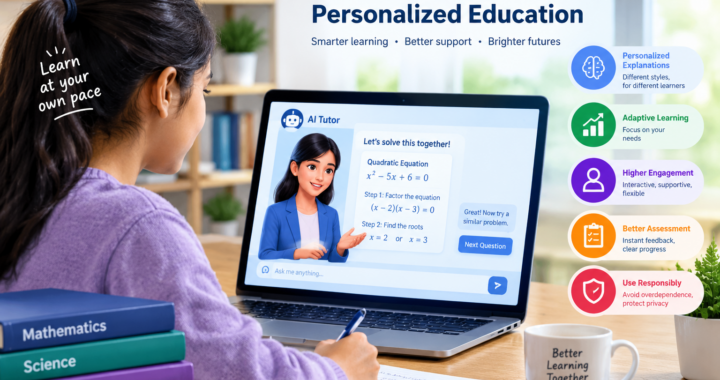
- 📚 Educational materials
These services support creativity and productivity across many industries while still benefiting from human review and oversight.
📊 AI for Data Analytics
Organizations collect large volumes of information from business operations, websites, sensors, and customer interactions.
AI-powered analytics can help:
- 📈 Identify trends
- 🔍 Detect anomalies
- 📊 Build forecasts
- 🧮 Optimize business processes
- 💡 Support strategic planning
- 📉 Monitor performance
These insights help decision-makers respond more effectively to changing conditions.
🏥 AI Services in Healthcare
Healthcare providers use AI services to support:
- 🩺 Clinical decision support
- 🩻 Medical imaging analysis
- 📋 Administrative automation
- 💊 Drug research
- 📈 Population health analysis
- 🧬 Precision medicine research
Healthcare professionals remain responsible for diagnosis and treatment decisions, while AI provides analytical assistance.
💳 AI Services in Finance
Financial institutions apply AI to:
- 🛡️ Fraud detection
- 📊 Risk analysis
- 💰 Investment research
- 💳 Credit assessment
- 📈 Market trend analysis
- 🤝 Customer support
AI helps financial organizations process large datasets quickly while improving operational efficiency.
🛍️ Retail and E-Commerce
Retail businesses use AI services for:
- 🛒 Personalized recommendations
- 📦 Inventory optimization
- 📊 Demand forecasting
- 💬 Customer support
- 🎯 Marketing optimization
- 🚚 Supply chain management
These capabilities contribute to more efficient operations and enhanced customer experiences.
🏭 Manufacturing and Industry
AI supports manufacturing by enabling:
- ⚙️ Predictive maintenance
- 🤖 Robotics coordination
- 📈 Production optimization
- 🔍 Quality inspection
- 📦 Supply chain analytics
- 🛡️ Workplace safety monitoring
Manufacturers use AI to improve efficiency while reducing downtime and waste.
🌱 AI for Sustainability
Artificial intelligence also contributes to environmental and sustainability initiatives.
Applications include:
- ⚡ Energy optimization
- 🌍 Climate modeling
- 💧 Water resource management
- ♻️ Waste reduction
- 🌳 Forest monitoring
- 🚜 Precision agriculture
These technologies help organizations make better use of resources while supporting environmental goals.
🔐 Security and Responsible AI
Responsible AI deployment requires attention to:
- 🔒 Data privacy
- 🛡️ Cybersecurity
- ⚖️ Fairness
- 📖 Transparency
- 🤝 Accountability
- 📜 Regulatory compliance
Organizations should establish governance frameworks and regularly evaluate AI systems for performance, bias, and reliability.
👩💻 Careers in AI Services
Growing adoption has created opportunities across many disciplines.
Popular career paths include:
- 🤖 AI Engineer
- 📊 Data Scientist
- 💻 Machine Learning Engineer
- ☁️ Cloud Solutions Architect
- 📈 Business Intelligence Analyst
- 🧠 AI Product Manager
- 🔒 AI Security Specialist
- 💬 Conversational AI Developer
Technical expertise, communication skills, and continuous learning are valuable across these roles.
📚 Building AI Skills
If you’re interested in AI services, consider learning:
- 🐍 Python programming
- 📊 Statistics and data analysis
- 🤖 Machine learning fundamentals
- ☁️ Cloud platforms
- 💾 Databases and SQL
- 📈 Data visualization
- 🔬 AI ethics and governance
- 🧪 Hands-on project development
Practical experience through personal projects or open-source contributions helps reinforce theoretical knowledge.
🚀 Future Trends
AI services are expected to evolve through:
- 🤖 Multimodal AI systems
- 🌐 Edge AI deployments
- 🧠 Explainable AI
- ⚡ Real-time analytics
- 🛰️ Intelligent IoT integration
- 📡 Autonomous business workflows
- 🌍 Sustainable AI solutions
- 🤝 Human-AI collaboration
Future systems will likely become more adaptable, context-aware, and integrated into everyday digital experiences.
🎯 Best Practices for Organizations
To adopt AI services successfully:
- 🎯 Define clear business goals.
- 📊 Invest in high-quality data.
- 🤝 Involve cross-functional teams.
- 🔐 Prioritize security and privacy.
- 📈 Measure outcomes with meaningful metrics.
- 📚 Train employees on responsible AI use.
- 🔄 Continuously monitor and improve deployed systems.
A thoughtful, incremental approach often leads to more sustainable results than attempting large-scale transformation all at once.
🌟 Final Thoughts
Artificial intelligence services are reshaping how businesses operate, how professionals work, and how people interact with technology. From intelligent automation and predictive analytics to conversational interfaces and generative AI, these tools are helping organizations solve complex problems and improve efficiency across industries. 🚀
As AI continues to advance, AI Services will play an even greater role in enabling innovation, supporting human expertise, and creating new opportunities for growth. By combining technological capability with responsible governance, organizations and individuals can harness AI to build smarter, more resilient, and more productive futures. 🤖☁️📊✨